
How long does it take to calm facial muscles to lower Tinnitus volume after Bruxism and Clenching Stops
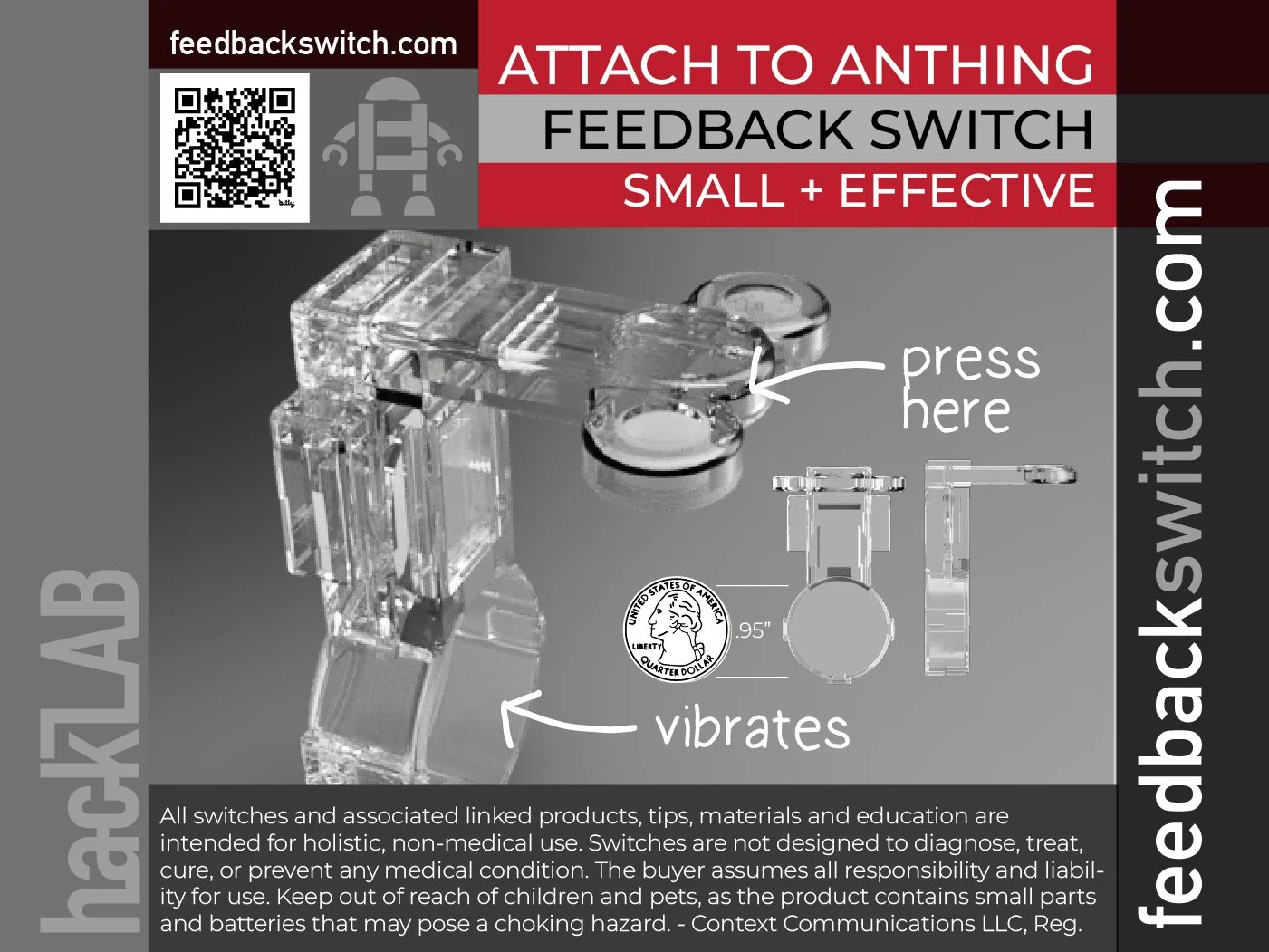
Similar to a phone vibration alert, the light weight feedback switch vibrates when pressed and is moisture-resistant. The vibration alert intensity has been increased using 2 external batteries. You can use dental glue to attach to anything.
Factors Affecting Recovery
Nature of the Tension: Muscles did not tighten overnight; therefore, reversing adhesions (knots) and retraining muscles takes consistent effort.
Consistency of Therapy: Regular, daily exercises and, if necessary, using a dental splint/mouthguard for night-time grinding are crucial.
Stress Management: Because stress is a primary driver of clenching, incorporating yoga, meditation, or cognitive-behavioral therapy (CBT) is often necessary for long-term recovery.
Treating the Root Cause: If the tinnitus is driven by TMD or neck muscle strain, addressing the jaw alignment and neck posture is more effective than treating the ear itself.
Relaxing severely adhered muscles typically requires consistent treatment over 2 to 4 weeks, with significant improvement often noticed after 3–6 sessions of specialized therapy. While deep tissue massage or tool-assisted work can provide immediate, short-term relief in one session, breaking down severe adhesions (scar tissue) requires a comprehensive approach.
If your tinnitus changes in volume when you move your jaw, clench your teeth, or move your neck, it is highly likely to be related to muscle tension, which makes it more likely to improve with these therapies. I could change mine. This is called Somatic.
Tinnitus caused by jaw clenching, stress, and muscle adhesions (often related to TMJ/TMD) is frequently treatable, with many patients experiencing significant improvement in symptoms within 4 to 6 weeks of starting focused therapy and clenching or bruxism stops or slows down, though full resolution may take 3 months to a year. Success rates for reducing this type of somatic tinnitus exceed 80% with consistent, multi-disciplinary treatment. If you keep clenching your muscles ever night (applying thousands of pounds pressure) you can let the muscle inflammation and muscle spasms lower.
Here is a breakdown of the recovery timeline and factors for me:
Typical Recovery Timeline
Initial Relief (2–4 weeks): Patients often notice the first signs of improvement as muscle spasms begin to relax.
Significant Improvement (4–6 weeks): For most, the intensity of tinnitus begins to decrease significantly (reported as a 50-75% reduction in many cases).
Long-Term Recovery (3 months to 1 year): Deeply rooted muscle adhesions, chronic stress, or long-standing clenching (bruxism) may require several months of consistent physical therapy, splint therapy, or counseling (TRT/CBT) to fully resolve.
Fast Response Case: Some individuals with specifically neck-related muscle tension may see severe tinnitus reduce to moderate or disappear within a few days to weeks of starting targeted stretching.
Key Interventions for Faster Recovery
Physical Therapy (PT): Specialized therapists can work on myofascial release to break down muscle adhesions in the jaw, neck, and shoulders.
Intra-oral Massage/Self-Massage: Massaging the masseter (cheek) muscle for 20-30 seconds, several times a day, can help loosen tension.
Posture Correction: Ensuring the neck is not constantly in a "forward" position, which strains the sternocleidomastoid (SCM) and masseter muscles.
Muscle Relaxers/Botox: In severe, chronic cases, temporary use of muscle relaxants or Botox injections can relieve spasming muscles.